
Industry context
Mining Infrastructure: Containerised Systems for Mine Sites
Workforce housing, ablutions, switchrooms and DG storage built factory-direct for the mine sites that decided what containerised infrastructure means in practice.
Where SCS Global deploys
Containerised mining infrastructure, built factory-direct
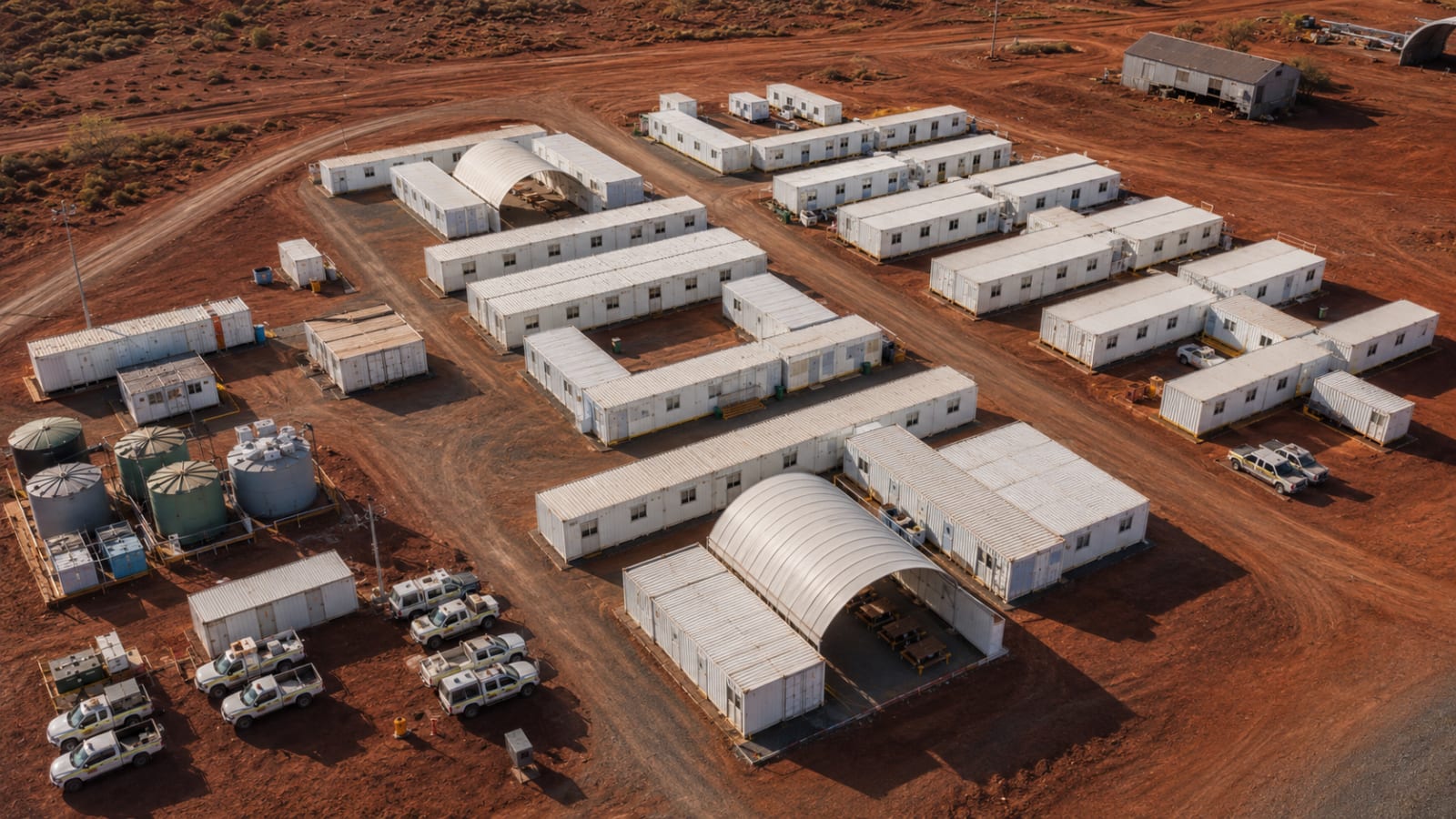
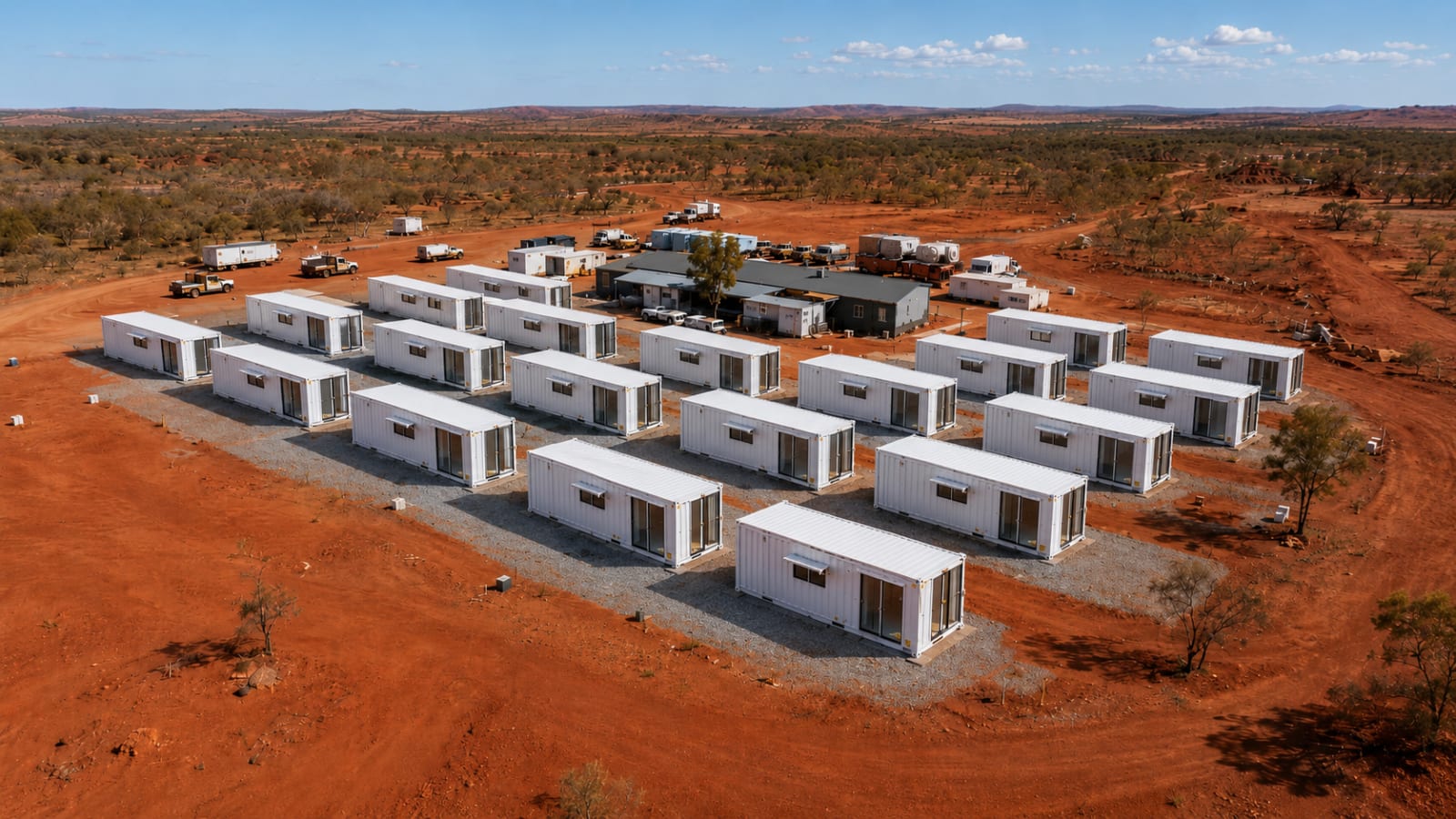
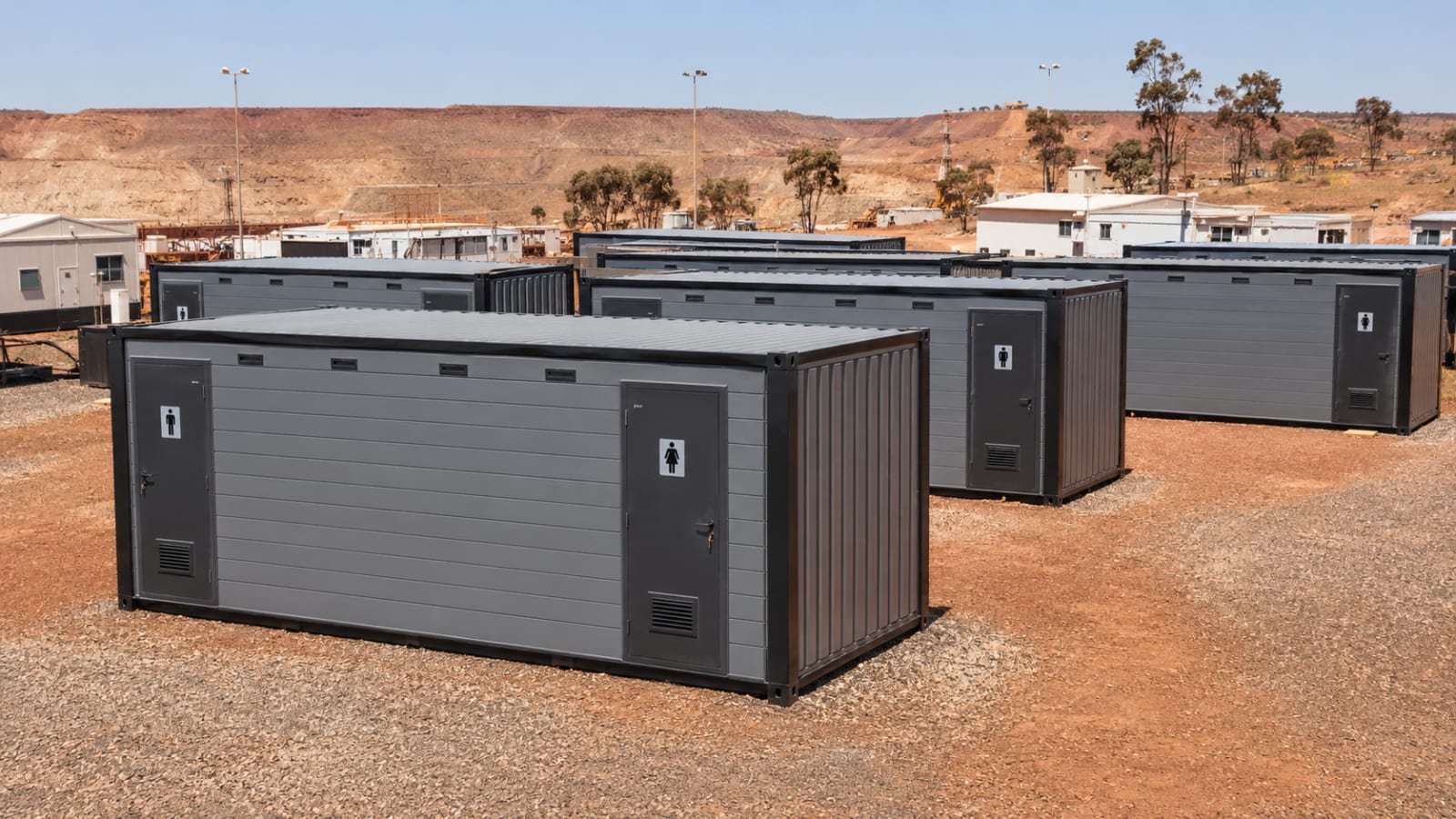
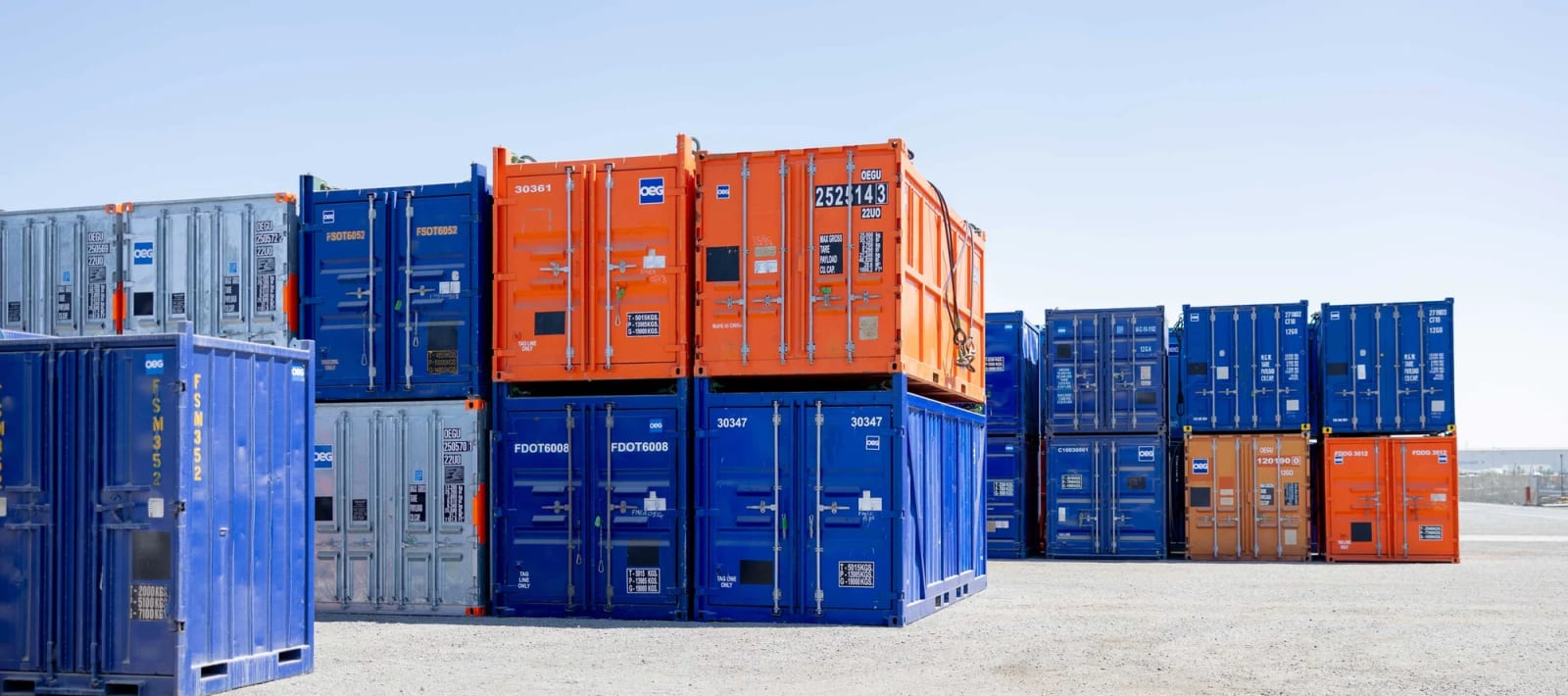
Mining infrastructure is the fixed and modular systems a mine site needs before production starts: workforce housing, power and electrical distribution, dangerous goods storage, offices, communications and cold chain catering. On remote sites, it's built in containers. SCS Global is one of the mining infrastructure companies that manufactures factory-direct, shipping containerised systems to remote and greenfield mine operations rather than reselling another factory's work. Six product lines serve the vertical: workforce accommodation (dongas, ablutions, kitchens and lunch rooms), bunded dangerous goods storage for diesel and lubricants, low and medium voltage switchrooms, project offices and assay laboratories, refrigerated containers for camp catering, and modular building systems for multi-module accommodation villages. Every unit ships from the SCS Jiangsu factory, plates to CSC 1972 before dispatch, and lands on site under a full WHS and DMIRS audit trail.
Sector context
Why mining infrastructure is built in containers
On a remote, FIFO, off-grid or greenfield mine site, the answer is containers: factory-built, freight-ready, crane-lifted into position and commissioned in days, not months. The driver is logistics, not aesthetics. A container module ships in a standard envelope by road, rail and sea, lands on prepared pads with no civils or wet trades on the critical path, and survives the dust, vibration and 45 °C ambient that wreck stick-built construction. Oversized modular structures surrender that edge to escorts and route surveys. ISO-frame units keep it. McKinsey & Company reports modular construction compresses project schedules by 20 to 50% because module fabrication runs in parallel with site preparation, and on a mine build the camp is workforce mobilisation: when it lands late, the whole project slows.
Mine infrastructure splits into two layers: the fixed operational plant that crushes and processes ore, and the enabling layer of power, water, transport, accommodation and communications that a site stands up first. SCS Global supplies that enabling layer in containerised form. Demand for it tracks the mine lifecycle and peaks during construction, when accommodation, switchrooms, fuel storage and offices all land together, then carries through production and into closure, where relocatable units are redeployed or resold. The Minerals Council of Australia tracks the workforce and investment behind the sector, where modular, containerised mine site systems are now the operational default on remote builds. Mining decided what containerised infrastructure means in practice, and every industry that adopts the format inherits patterns mining tested first.
The mining product lines
Containerised infrastructure for mining
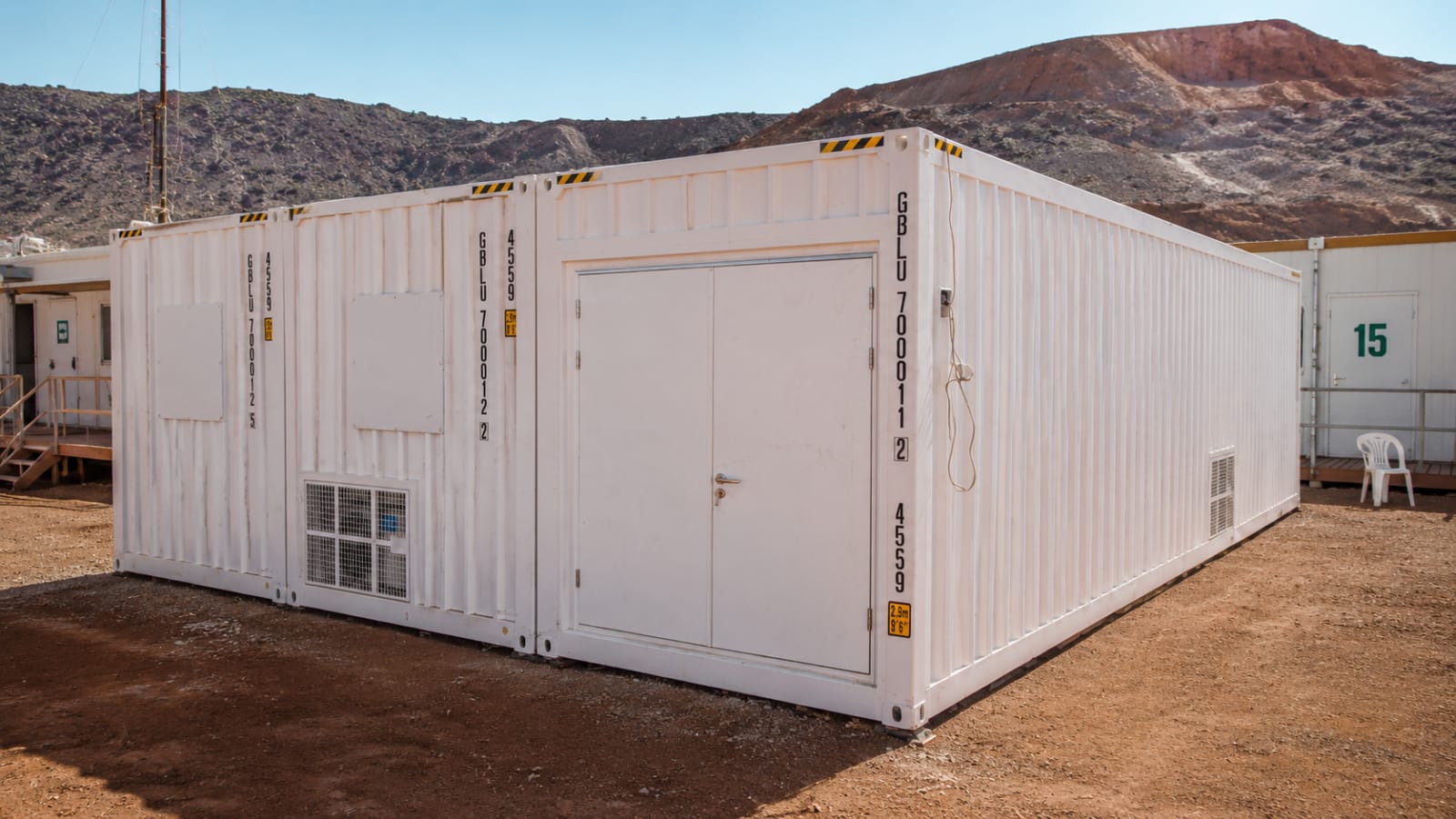
Six product lines from the SCS Global mining camp accommodation range, built factory-direct for FIFO and DIDO sites. Each card opens onto its product page, with the engineering, compliance and project detail behind it.


Compliance and standards
Regulatory landscape for mine site infrastructure
Mine site infrastructure is audited against a stack of WHS, electrical, dangerous goods and structural standards before a module is shortlisted. The table below is the regulatory floor for Australian mine sites and the same compliance envelope SCS Global engineers every unit against, whatever the destination market. Follow any link to the issuing authority for the current revision.
Mining-specific pain points
Mining challenges, mapped to SCS Global containerised solutions
The pain points that drive containerised procurement on a mine site: FIFO housing, off-grid power, fuel storage compliance and phase relocation. Each maps to the SCS product line that answers it. Off-grid hybrid power is moving fastest. AngloGold Ashanti's Tropicana gold mine completed Australia's largest off-grid hybrid power system in mining in 2025, pairing 24 MW of wind and 24 MW of solar with battery storage, per pv magazine Australia, and the relocatable 4.4 MW solar farm with 2 MW of battery at Northern Star's Porphyry gold mine saves about 1.67 million litres of diesel a year, per Aggreko. Containerised switchrooms and battery enclosures house exactly these microgrid build-outs. Use the table as a scoping reference. The page on each row carries the engineering behind the response.
Mining sector deployments
Mining infrastructure project evidence
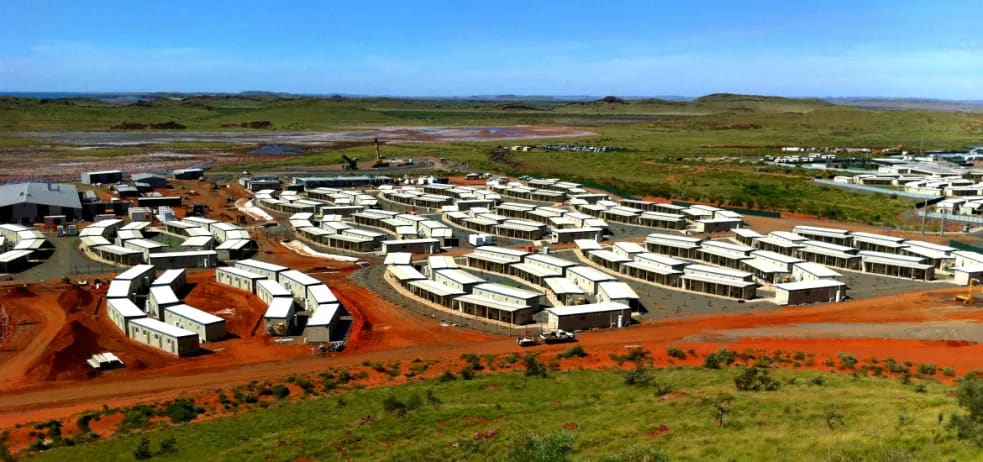
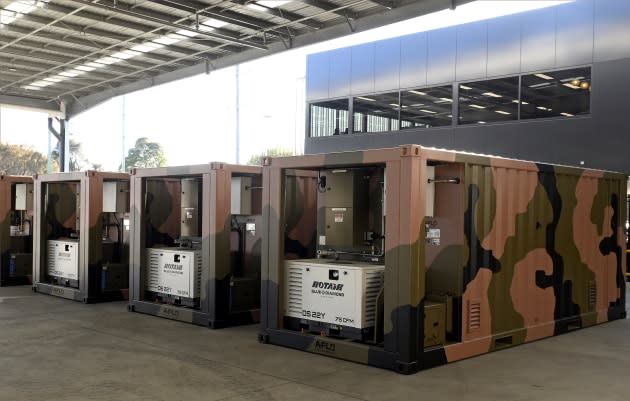
Three mining deployments from the SCS project library, spanning iron ore and gold operations across Western Australia and the Northern Territory. Each is documented with unit counts, standards and delivery detail.

Articles
Further reading on mining infrastructure
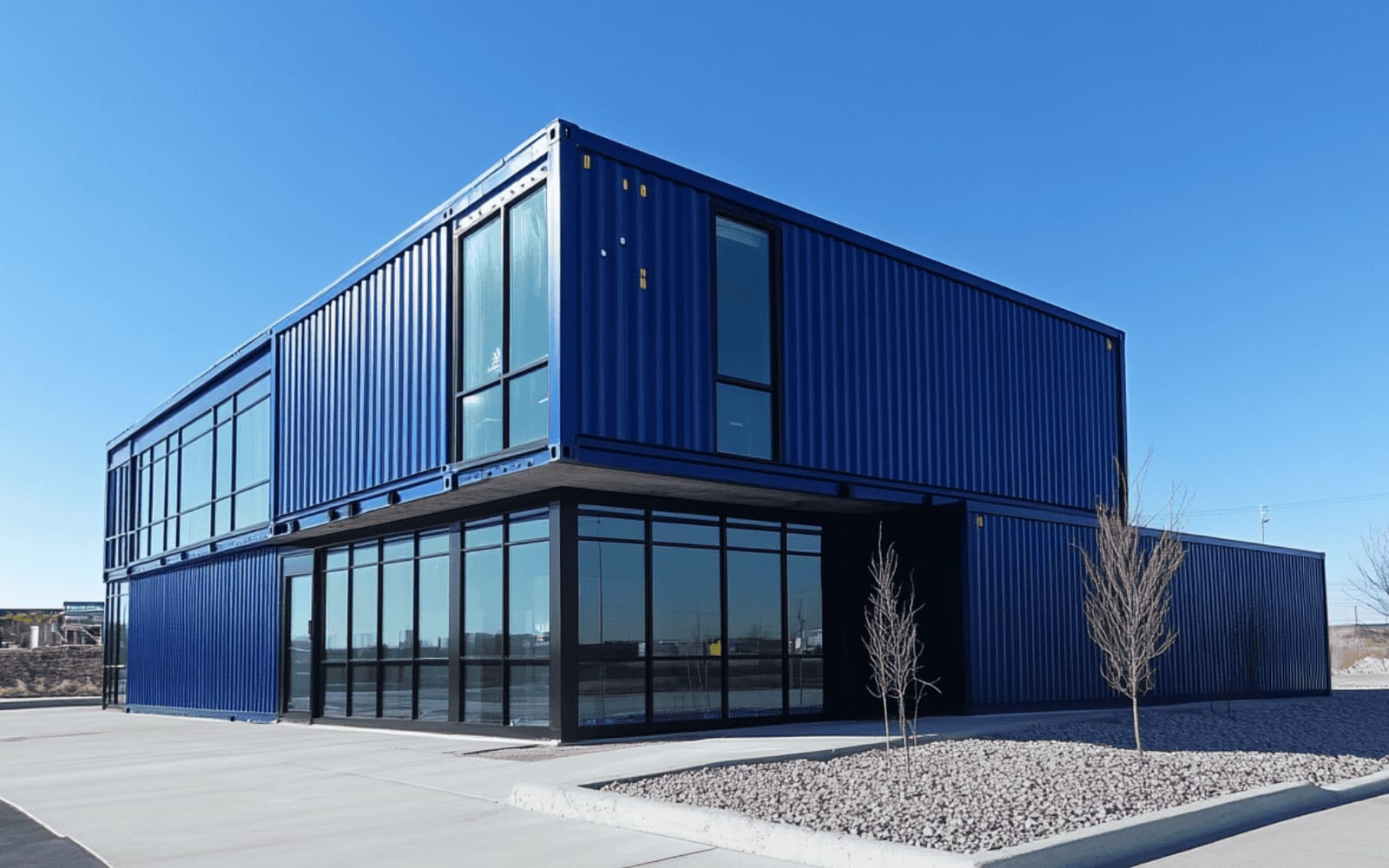
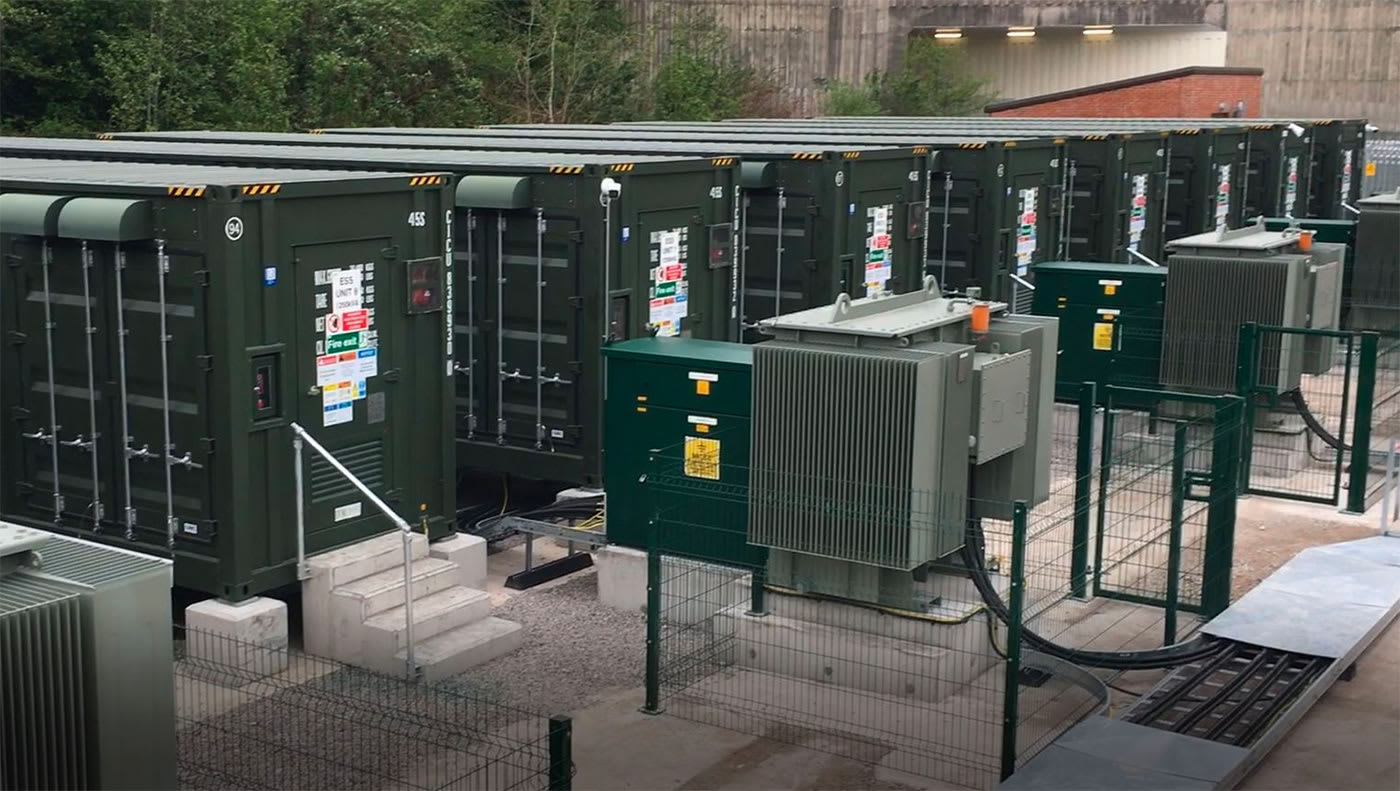
Four articles cover the research questions mining procurement teams ask before shortlisting suppliers.

How SCS Global earns the claims
Manufacturing and certification behind every mining build
How SCS Global manufactures containerised infrastructure and the certifications carried on every unit. Procurement teams typically audit both before shortlisting a supplier for a mine site project.